from http://ift.tt/1smy6PW
via IFTTT
#mscedc Internet a Friction-Free Economy of Innovation: Janeway http://t.co/HnU7qXAeSL via @business
Leave a reply
from http://ift.tt/1smy6PW
via IFTTT
from http://ift.tt/1smy6PW
via IFTTT
The first block on cyber-culture has been very engaging and as we come to a close, we an also see that it is a topic that has been in the media recently. Bill Gates has been warning us of the dangers of AI, famous robots permeate our culture, our vision of the future is almost entirely made up/defined by the technology we use and the threats that it may pose to us. This could be seen in contrast to how we see technology now.
Monsanto’s House of the Future, offers a peak into our past views on technology and the integration of it into everyday lives.
The dystopian view of the future is definitely more entertaining, and with new movies such as Chappie also exploring AI and what it means to be a sentient being.
Finally, how can we apply these views of technology to education? We have to be weary that there may be fear/resistance to technology as there are negative connotations associated here. What it means to be human, robots, cyborgs and identity are themes that all need to be addressed when reconciling technology with education.
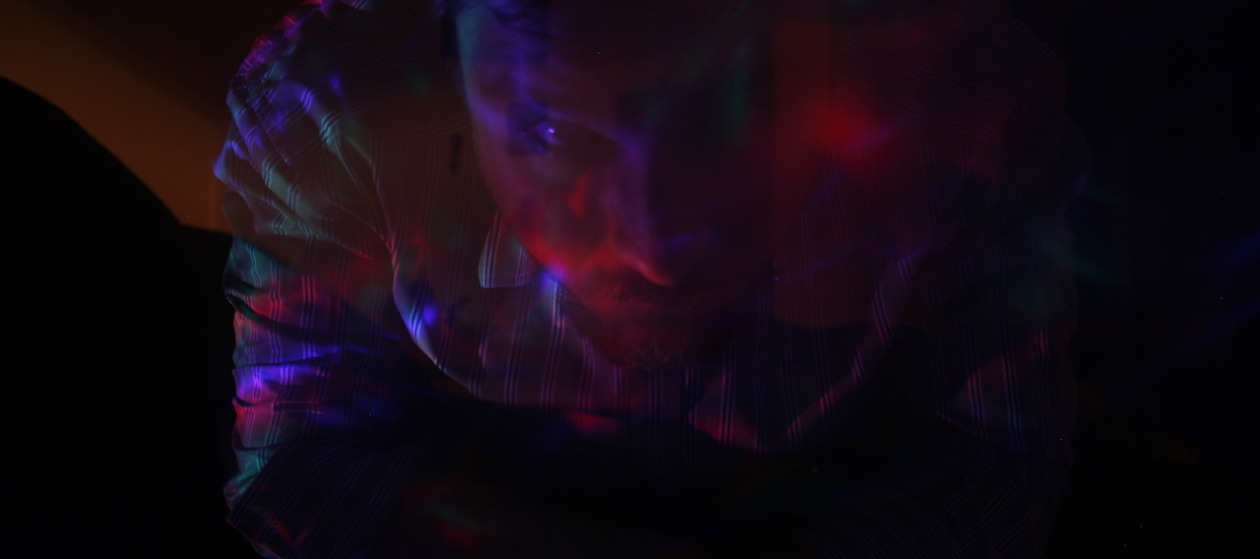
The digital artefact was the main focus of this week’s studies. The artefact began by looking at the tensions between human/robot. The focus of the imagery in the first ring was to highlight the unnerving element of the cyborg and what it means to be human. The eye being a key element and one which popped up in our film festival, over and over again.
The second circle focused on themes about memory; digital memory and cognitive memory. It was meant to elicit the ways in which education is being influenced by ideas of the ‘digital’ memory.
The third circle focussed on some of the fear we have related to robots and the essence of being human, what it means to be human and the threats that AI seemingly can pose to us. Some of the images are taken from films which express these tensions.
The fourth circle looks at the lack of sound in the realm of analysis of digital cultures. This paired with the electronic soundtrack (music created wholly via samples and digital drum machines) aims to underline an area of study that can be seen to be overlooked when compared to the visual analysis of digital culture.
Finally the last circle looks at Homo-Faber and man defined by the tools he uses. This artefact aimed to link together all of the themes that we saw in block one of the EDC course.
from http://ift.tt/1smy6PW
via IFTTT
Working on the artefact allowed me to explore some of the themes that we have seen throughout the first block on cyber-culture. I really enjoyed putting the artefact together and resisted including any textual commentary, as the focus on the image/sound was meant to address the imbalance that is usually seen in academic work online, giving perhaps more emphasis to the written word.
The first bubble from the artefact includes images drawing our attention to the eye. The eye is relevant here as it is a symbol in the film Bladerunner. Rutger Hauer’s character in his tears in the rain monologue says:
Tying in with this is the replicant owl from the film (which is pictured here), and the theme of the eye being the ‘window to the soul’ and a way to discern replicant from animal/human. It also develops the idea of memory and how we are formed and defined by experience. There are iconic images such as the terminator, HAL 3000, and the wavelength of colours. Also, perhaps not so well know is Neil Harbisson, a ‘cyborg’ who has has an implant in order to hear different colours. His story can be seen here:
The second bubble looks at our relationship with robots from popular culture, from the terrifying to the comedic, from films such as West World and Short Circuit. Something that resonates here is the fear of artificial intelligence and the unravelling of our world through a quest to recreate what it means to be human.
The third bubble looks at how the medium of audio in cyber-culture is very rarely critiqued or appreciated and the fourth bubble deals with memory and how learning/knowledge/memory is a recurring theme in digital culture. Finally the last bubble looks at Homo Faber and the concept of man the maker. The music accompanying the artefact was chosen as it is completely digital; looped by drum machines and synths, with modified electric vocals; early 1990’s drum and bass.
from http://ift.tt/1smy6PW
via IFTTT

This was done by Daniel Nyari, for me it show how far robots have permeated popular culture and are instantly recognisable. From Maschinenmensch (Metropolis) to Optimus Prime (Tranformers) we can see a range of human facets/characteristics projected onto them.
from Martyn Peters http://ift.tt/1CGJuJc
via IFTTT
from http://ift.tt/1smy6PW
via IFTTT
from http://ift.tt/1smy6PW
via IFTTT
from http://ift.tt/1smy6PW
via IFTTT
from http://ift.tt/1smy6PW
via IFTTT