
Over the last 5 years, exposure and reliance on technology has increased significantly to the point where I have asked myself the question, where will this end? Working in the digital world everyday has only increased this exposure, and therefore forced some into trying to consolidate this information and make the load more manageable. Wearable tech has become a common sight in our day to day lives, and this certainly helps with managing information, but at what stage does the technology become part of us, how long before it inevitably happens and can we ever go back?
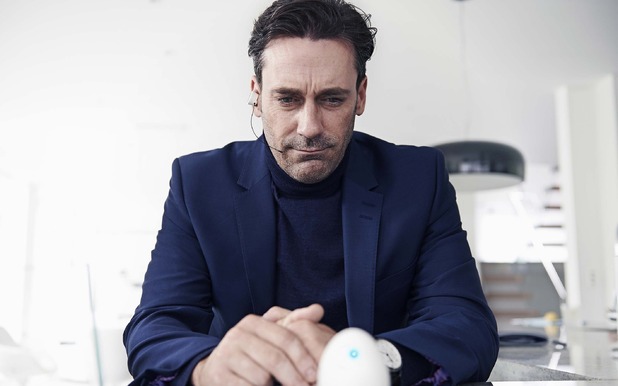
Fig 1 – Black Mirror (Yuletide techno-paranoia)
Taking a look through the film festival shorts, you get the impression that a dark, disturbing dystopian future is coming, a place where technology has surpassed its human counterparts in almost every area and can therefore exist without us. As we evolve, we are contributing to our own downfall; throwing away our freedom and rights in favour of development and progression.
The alternative view is a utopian future where humans and machines can co-exist in harmony, learning from each other and building a better and more sustainable future, giving freedom to disabled individuals and supporting the poor and those in need. The discussions around both these views are something I look forward to unpicking through the coming weeks. The module also gives me a good excuse to go back through one of my favourite dystopian box sets, Charlie Brooker’s fantastic (and disturbing) Black Mirror.
After beginning the Education and Digital Culture module late, I unfortunately missed the first film festival discussion, however, I am slowly managing to catch up with the readings and suggested films.
This is a super week 1 summary Ben. I’m really glad you raised these notions of utopia and dystopia, so different and opposed, yet aligned in the sense that they are driven by technology. These rather extreme options seem to often be the only way we can talk about the future, but I wonder if technological change is a bit more nuanced than that?
‘at what stage does the technology become part of us, how long before it inevitably happens and can we ever go back?’
These are great questions to be grappling with during the course, and it would be good to develop this line of questioning as we progress through the blocks. Perhaps somewhere to begin is defining exactly what the ‘us’ is, and what we could ‘go back’ to, if indeed we can. Is there an ‘us’ that is entirely separate and distinct from technology?
In terms of your future weekly lifestream summaries, it would be good to remember that it is your *lifestream* that you are providing a summary of, rather than just the weekly themes. So, what we’d really like to see here is reflection in the feed items you have added – the specific tweets or videos – saying why you have added them, how the core readings might have influenced you to do so, and how they might be influencing your thinking on the course.
Also, I like your blog customisation, looking great. Hope you can make the film festival this week: Friday 23rd 10am GMT